
How Does A Fiber Opener Working?
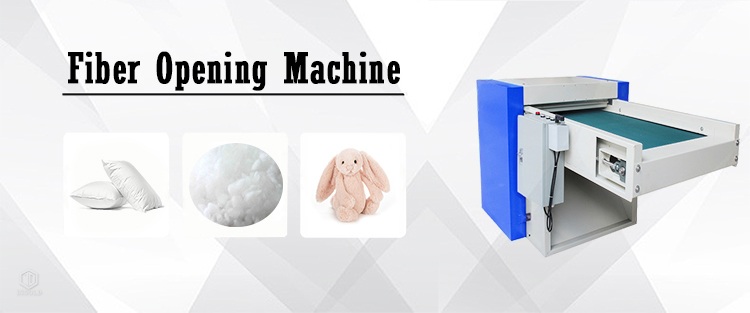
In a wide range of industries—including the manufacture of throw pillows, toys, sofa cushions, bedding, and various textile fillings—the quality of fiber raw material processing directly determines the final product's loft, uniformity, and production speed. To restore compressed fibers to their original fluffy state and bring them up to production-ready standards, manufacturers typically employ a crucial piece of machinery: the Fiber Opening Machine.
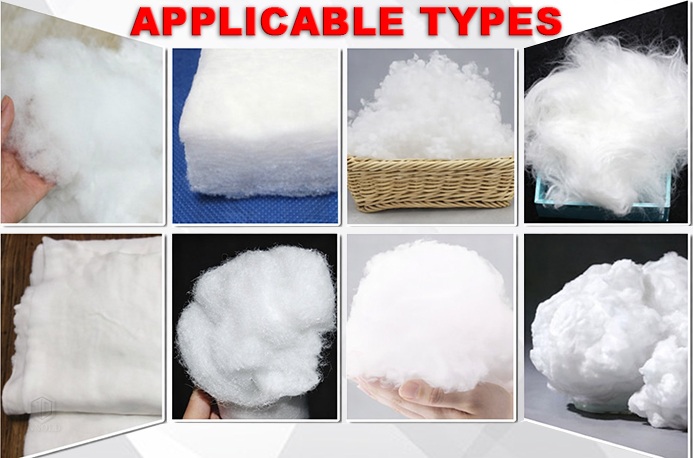
Adjustable Fiber Opener are widely utilized in the processing of polyester fibers, 3D hollow fibers, recycled fibers, cotton, and various other filling materials; they serve as indispensable equipment in production lines for pillows, stuffed toys, and bedding. The following discussion will provide a detailed overview of the fiber opening machine's working principles, structural design, operational workflow, and its vital role in modern manufacturing processes.
What is a Automatic Bale Opener Machine?
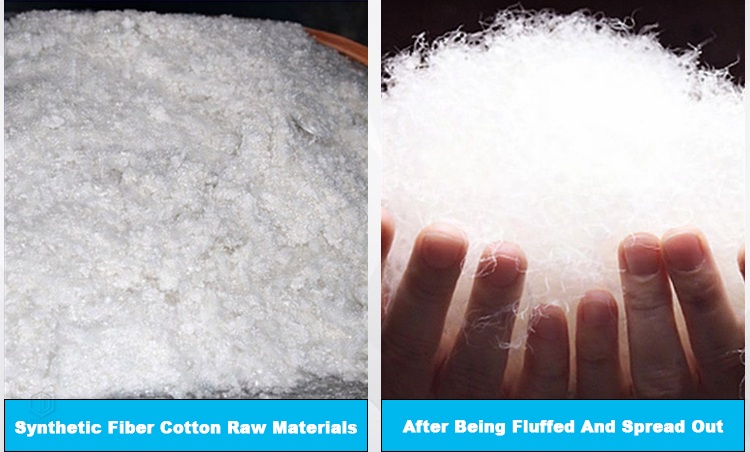
Simply put, a fiber opening machine is an industrial piece of equipment used to loosen compacted, knotted, or clumped fiber raw materials, separating them and making them more uniform. During transportation and storage, fiber materials are often compressed and packaged. If these compacted fibers are used directly to fill products, it will lead to uneven filling, product deformation, and reduced production speed.
The fiber opening machine uses high-speed rotating dispersing rollers, piercing rollers, or opening rollers to mechanically break up the fibers, restoring them to a fluffy state. This improves the quality and efficiency of subsequent processing.
In modern automated production lines, Fiber Opening Machines are often used in conjunction with the following equipment:
1- Fiber conveyor fan
4- Fiber storage silo
5- Automated filling production line
These together form a complete fiber processing and filling system.
Main structure of a Automatic Fiber Opener:
A standard fiber opening machine typically consists of these main parts:
1. Feeding system: The feeding system is responsible for delivering the compacted fiber material to the opening area. Common feeding methods include:
a- Manual feeding
b- Automatic feeding via conveyor belt
c- Fiber pneumatic conveying system. A stable feeding speed ensures smoother machine operation and prevents fiber clogging.
2. Opening Roller System:
The opening roller is the most crucial part of a fiber opening machine. It typically consists of high-speed rotating needle rollers or pin rollers. The roller surface has many steel needles or serrations, which, during high-speed rotation, can:
a- Break up fiber clumps
b- Separate fiber bundles
c- Improve fiber bulkiness
d- Prevent fiber agglomeration. Depending on the machine model, the opening machine may have one, two, or more rollers. Multiple rollers provide better opening results.
3. Breaking Device:
Some higher-end opening machines are also equipped with auxiliary breaking devices, which further separate the fibers through mechanical beating and stretching, making the fibers more uniform.
This design is particularly well-suited for processing:
A- Recycled fibers
B- Rigid fibers
C- High-density compressed fibers
4. Pneumatic Conveying System:
After being opened, the fibers are typically transported to the next processing stage—such as the following—via a high-pressure blower or a suction system:
A- Pillow filling machines
B- Toy filling machines
C- Storage hoppers
The pneumatic conveying system not only boosts production efficiency but also minimizes manual handling, thereby enhancing the overall automation of the production process.
5. Control System:
Modern fiber opening machines are typically equipped with an electrical control system designed to regulate:
A- Motor speed
B- Feeding speed
C- Opening intensity
D- Blower operation
Some machines also feature a Variable Frequency Drive (VFD) control system, which allows for the adjustment of operating parameters to suit different types of fiber materials.
Working Principle of the Banana Fiber Opening Machine:
The operation of a fiber opening machine can be divided into the following steps:
Step 1: Fiber Feeding
Workers place the compressed raw fiber material into the machine's feed inlet, or the fibers are conveyed into the equipment via an automated transport system.
Step 2: Entry into the Opening Zone
The fibers are transported to the opening roller zone, where the mechanical disentangling process begins.
Step 3: High-Speed Opening
The rapidly rotating opening rollers utilize a pin-tooth structure to grasp the fibers and subject them to:
Tearing, Dispersing, and Stretching.
This process gradually separates the fiber clumps into a loose, single-fiber structure.
Step 4: Fiber Fluffing Treatment
After undergoing multiple cycles of disentangling, the fibers become significantly fluffier, softer, and more uniformly distributed.
This fluffy structure is crucial for filling products, as it enhances the product's:
A- Resilience (Springiness)
B- Comfort Level
C- Aesthetic Quality
Step 5: Fiber Conveyance
The processed fibers are transported via a pneumatic conveying system to the next stage of the production process, such as:
Automated pillow filling, toy stuffing, or sofa cushion filling.
This entire process enables continuous production, thereby significantly boosting manufacturing efficiency.
Industries Utilizing Bale Opener Machine:
Fiber opening machines are widely employed across various industries that require fiber filling materials, including:
A- Home Textiles: Pillow production, quilt filling, mattress filling.
B- Toy Manufacturing: Stuffing for plush toys and dolls.
C- Furniture Industry: Filling for sofa back cushions and seat cushions.
D- Textile Industry: Non-woven fabric production and fiber material processing.
Advantages of Using a Cotton Fiber Open Machine:
Compared to traditional manual disentangling methods, fiber opening machines offer distinct advantages:
Increased Production Efficiency:Automated equipment allows for continuous operation, significantly boosting output.
Improved Product Quality:Uniformly opened fibers ensure that the finished filled products are fluffier and more consistent in quality.
Reduced Labor Costs:Minimizes the need for manual labor, thereby increasing the level of production automation.
Adaptability to Various Fiber Materials:Capable of processing different types of fibers, including:
Polyester fiber, hollow fiber, recycled fiber, and PP cotton.
INNOLD Cotton Fiber Opener Solutions:
INNOLD is a specialized manufacturer of fiber processing equipment, offering a diverse range of Cotton Opener Machine models designed to meet the production requirements of operations of all scales. INNOLD equipment features the following characteristics:
A- High-speed fiber opening structure design
B- High-efficiency fiber disentangling system
C- Stable and durable industrial-grade motors
D- Compatible with automatic filling machines
E- Supports customized production line solutions
INNOLD's Fabric Fiber Opening Machine are widely utilized in pillow production lines, toy filling lines, and the bedding manufacturing industry, providing clients with efficient and stable fiber processing solutions.
Overall, the Cotton Fiber Opening Machine is an indispensable piece of equipment in the modern textile filling industry. By employing high-speed mechanical opening technology, it transforms compacted fiber materials into a fluffy, uniform state, thereby enhancing both the quality of filled products and production efficiency.
With the growing demand for automated production, Cotton Open Machine have become essential equipment in pillow manufacturing, plush toy production, and the home textile sector. Opting for high-performance Fiber Opening Equipment enables enterprises to significantly boost their production capacity and optimize product quality.
Post time:2026-03-10
